Cosmetic Dental bonding
Cosmetic Bonding in North Hollywood, CA
What is Dental Bonding?
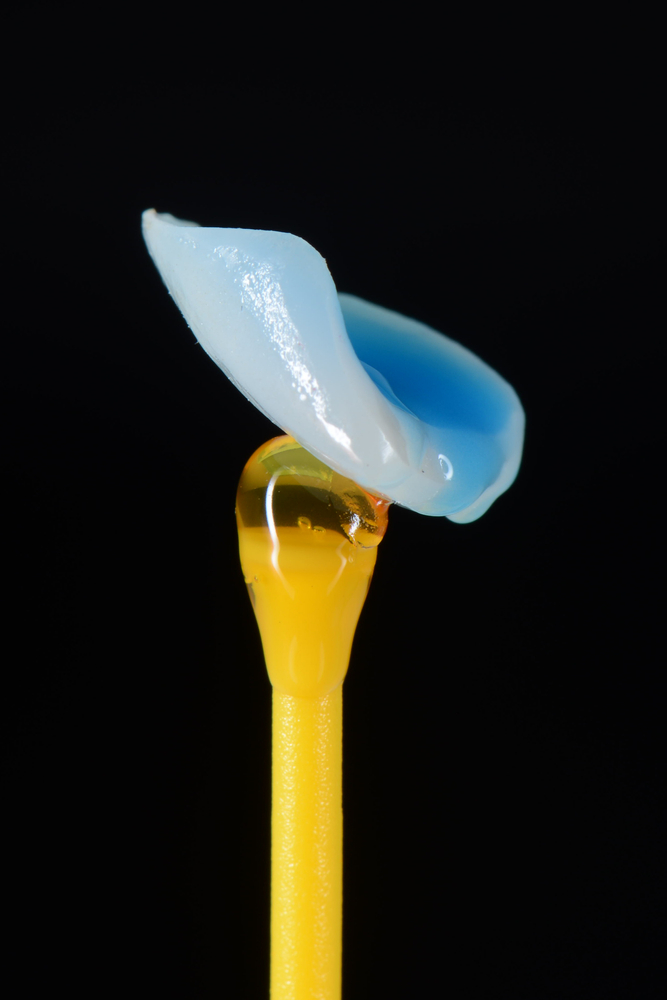
Dental bonding is a cosmetic and restorative dental procedure that uses a tooth-colored composite resin to repair minor damage and improve the appearance of natural teeth. The material is carefully applied directly to the tooth, shaped by hand, and hardened with a curing light to restore the tooth’s shape, color, and function.
Unlike veneers or crowns, dental bonding does not require significant removal of natural tooth structure. The bonding material adheres to the surface of the tooth, allowing us to correct chips, small cracks, uneven edges, or cosmetic flaws while preserving as much of your natural tooth as possible.
The composite resin used in dental bonding is similar to the material used for modern tooth-colored fillings. It is custom-matched to blend seamlessly with surrounding teeth and polished for a smooth, natural finish. Because the procedure is conservative and efficient, dental bonding is often completed in a single visit and is a popular option for patients looking for fast cosmetic improvements.
Dental bonding is especially effective for front teeth and visible areas of the smile where appearance matters most. While bonding is durable, it is best suited for minor to moderate cosmetic concerns rather than extensive damage or heavy bite pressure.
What Can Dental Bonding Fix?
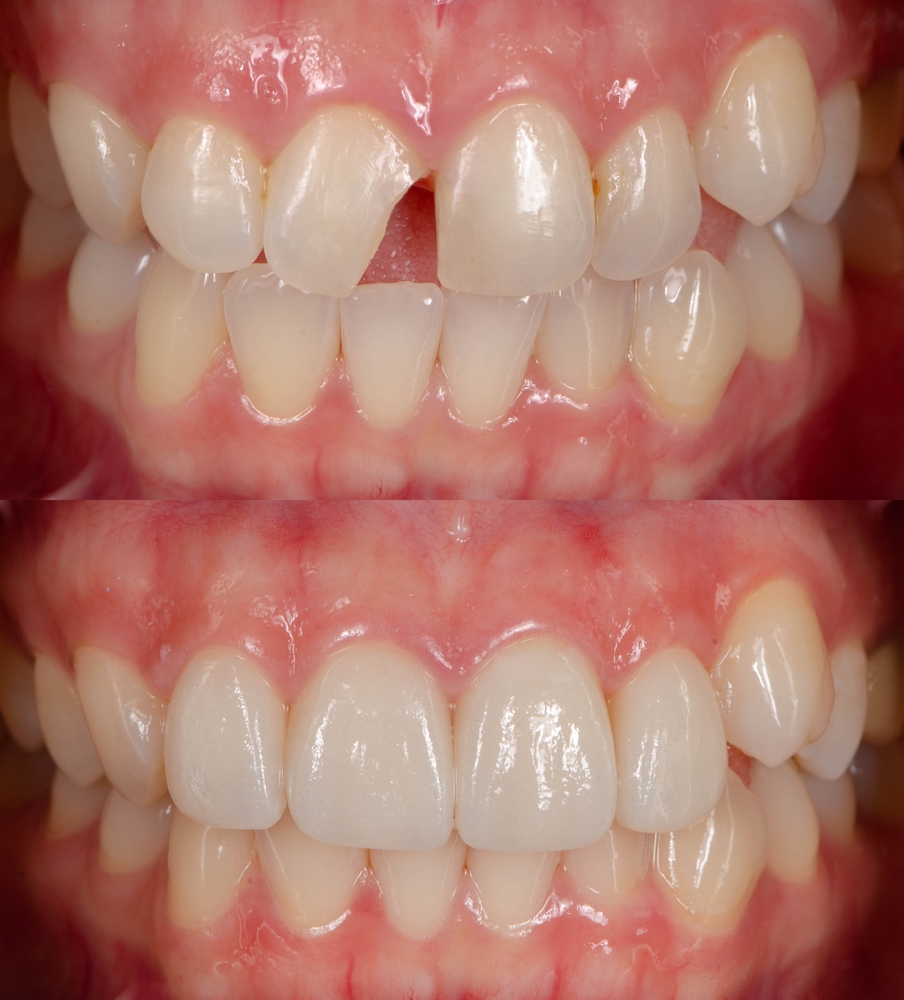
Dental bonding is commonly used to address minor to moderate cosmetic concerns. It is ideal for repairing chipped teeth caused by accidents or wear, small cracks that do not compromise the tooth’s structure, uneven or jagged tooth edges, and worn enamel. Bonding can also help improve the shape or symmetry of teeth and close small gaps between teeth.
While bonding is an excellent solution for cosmetic corrections, it may not be recommended for teeth with extensive structural damage or heavy bite pressure. In those cases, crowns or other restorative options may provide better long-term protection. During your evaluation, we assess the condition of your tooth to determine whether bonding is the right choice.
Smile Solutions
Top 3 issues fixed with Dental Bonding
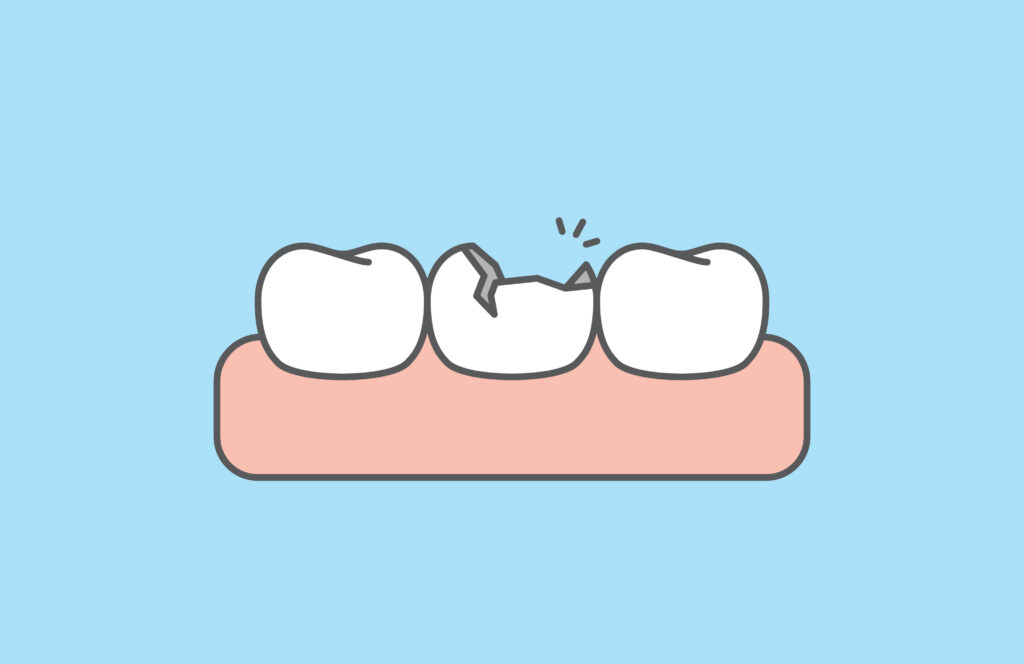
Chipped/Cracked Tooth
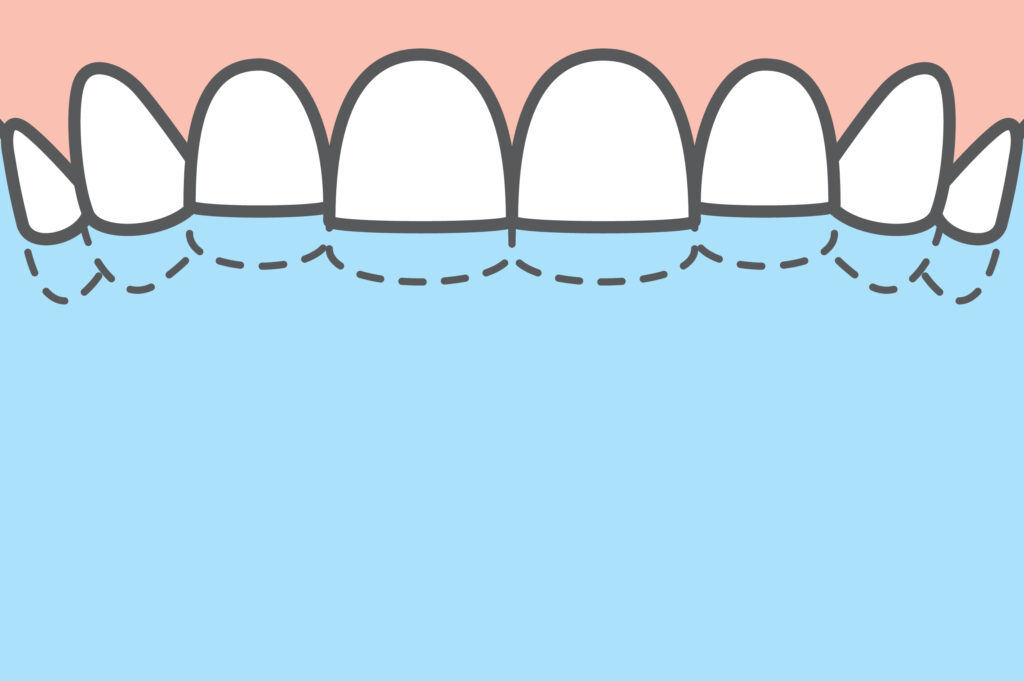
irregular tooth shape
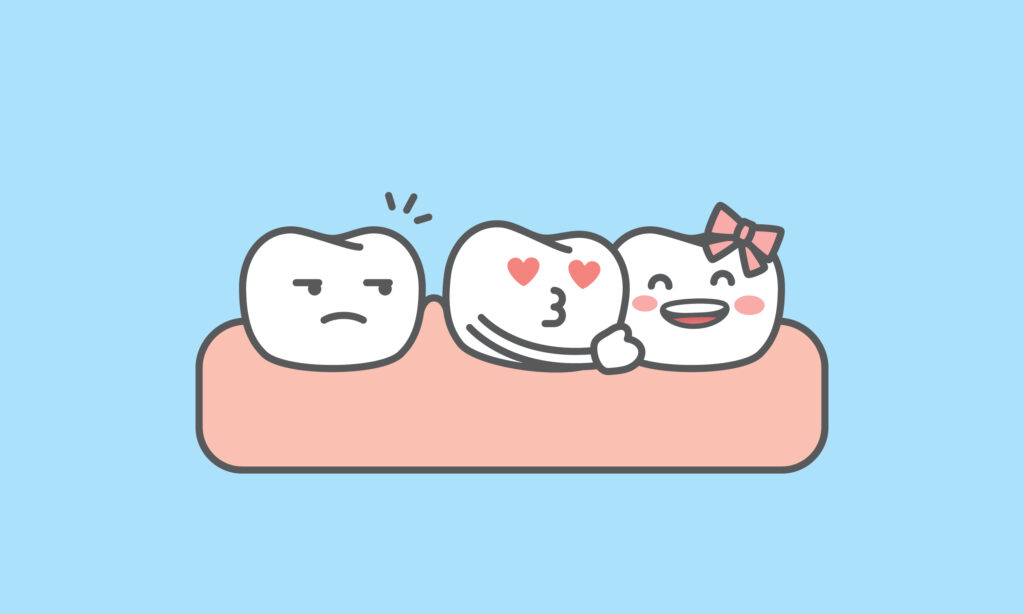
Gaps between teeth
Is Cosmetic Bonding Right for My Smile?
Cosmetic dental bonding is best suited for patients who have healthy teeth and gums and want to improve minor cosmetic imperfections. Ideal candidates often include patients with chipped or slightly cracked teeth, uneven edges, small gaps, or teeth that appear worn or misshapen.
Bonding is a great option for patients looking for a quick, conservative alternative to veneers. Because it preserves natural tooth structure, many patients choose bonding when they want noticeable improvement without committing to a more permanent cosmetic procedure.
Patients who grind their teeth heavily, frequently bite hard objects, or have significant tooth damage may not be ideal candidates for bonding alone. In these cases, stronger restorations such as crowns or veneers may be recommended to provide durability and long-term protection. We always evaluate your bite, habits, and goals before recommending treatment.
Dental Bonding vs Veneers: What’s the Difference?
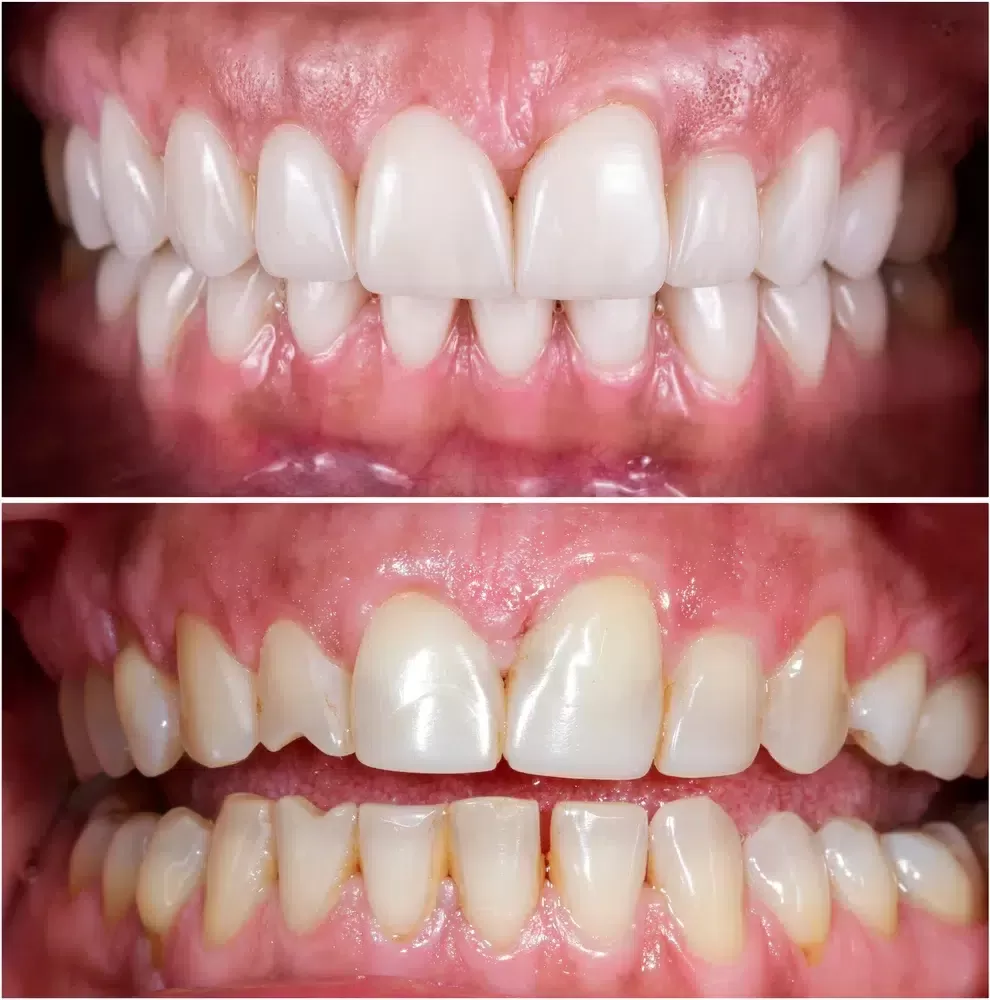
Dental bonding and veneers are both cosmetic treatments, but they differ in purpose, durability, and tooth preparation. Dental bonding involves adding composite material to the tooth’s surface to improve appearance. Veneers are thin porcelain shells that require removing a small amount of enamel and are permanently bonded to the front of the tooth.
Bonding is typically used for minor cosmetic corrections and quick improvements, while veneers are better suited for more extensive smile transformations. Veneers are more durable and stain-resistant, but they require more preparation and multiple visits.
Dental bonding is generally faster, more affordable, and reversible compared to veneers. Veneers offer greater longevity but involve a permanent change to the tooth. Choosing between bonding and veneers depends on the extent of damage, cosmetic goals, budget, and long-term expectations.
While bonding is an excellent solution for cosmetic corrections, it may not be recommended for teeth with extensive structural damage or heavy bite pressure. In those cases, crowns or other restorative options may provide better long-term protection. During your evaluation, we assess the condition of your tooth to determine whether bonding is the right choice.
How Long Does Dental Bonding Last?
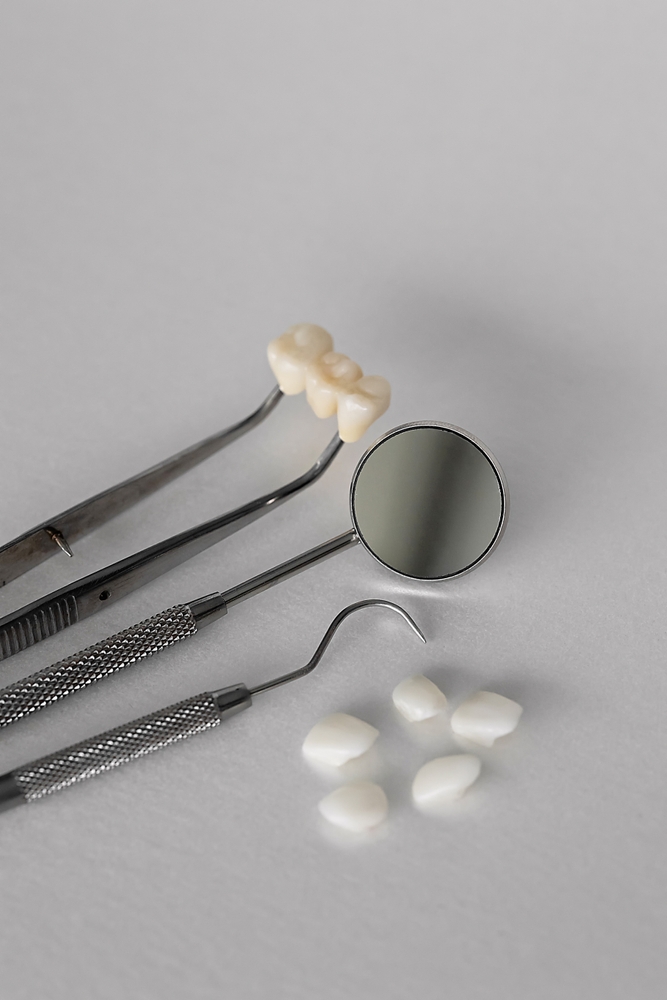
Dental bonding can last several years with proper care, but it is generally not as durable or stain-resistant as porcelain veneers. Because bonding uses composite resin, it may wear down, chip, or discolor over time, especially on front teeth that are exposed to daily biting, chewing, and staining foods or drinks. Porcelain veneers, on the other hand, are designed to be stronger, more resistant to staining, and longer lasting. For patients who want a more predictable, long-term cosmetic solution, veneers may be a better investment. During your free cosmetic consultation, we’ll review both options in detail and help you decide which treatment best aligns with your smile goals, lifestyle, and expectations.
Expert Dental Bonding in North Hollywood and Los Angeles
At Toluca Advanced Dentistry, we offer a free cosmetic consultation to help you explore your smile enhancement options with confidence. During your visit, we’ll discuss whether dental bonding or porcelain veneers are the right fit for your goals, timeline, and budget. For qualifying patients, we also provide interest-free financing options to make cosmetic treatment more accessible.
Our in-office lab technician allows us to deliver faster turnaround times and exceptional quality, with restorations designed to look and feel natural. This hands-on approach gives us greater control over color, shape, and detail, resulting in highly customized outcomes. We’ve helped many patients achieve beautiful, long-lasting results through both bonding and veneers, and patient feedback consistently highlights the natural appearance, comfort, and efficiency of our cosmetic care.
Our Satisfied Patients Say It Best!
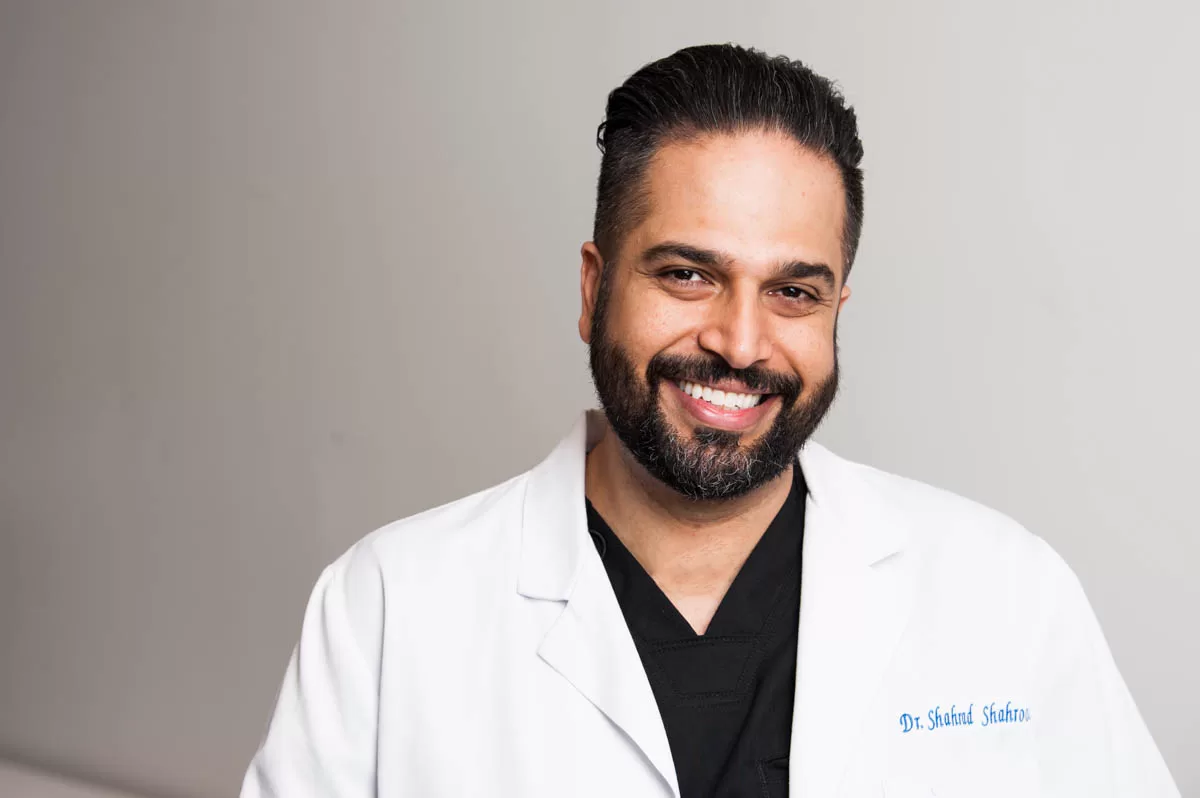
Dr. Shahrad Shawn Shahrooz
General, Cosmetic & Restorative Dentist, DDS
Dr. Shahrad Shawn Shahrooz is a trusted general and cosmetic dentist known for his gentle, patient-centered care. With over a decade of experience, he’s praised for his precision, particularly in cosmetic procedures like Invisalign and crowns. Patients often mention his ability to alleviate anxiety through clear communication and a calm demeanor, making dental visits comfortable and nearly pain-free. Dr. Shawn takes the time to ensure every detail is perfect, from routine cleanings to more complex treatments. His modern office and friendly staff create a welcoming environment that keeps patients coming back.
FAQ
Frequently Asked Questions
Q: How does dental bonding work?
Dental bonding is a cosmetic dental procedure that uses a tooth-colored composite resin to improve the appearance of teeth. The material is carefully shaped and polished to repair chips, close small gaps, improve symmetry, or cover discoloration, blending naturally with your surrounding teeth.
Dental bonding is a conservative treatment that typically requires little to no removal of natural tooth structure, making it a popular option for patients looking for subtle cosmetic improvements.
Q: Is dental bonding painful?
Dental bonding is generally very comfortable and rarely requires anesthesia unless it’s being used to repair a decayed or damaged tooth. Most patients experience little to no discomfort during the procedure.
Because bonding is minimally invasive, recovery is quick and you can usually return to normal activities the same day.
Q: How long does dental bonding last?
On average, dental bonding can last between 5 to 10 years with proper care. The longevity depends on factors such as oral hygiene habits, bite forces, and lifestyle choices like nail biting or chewing on hard objects.
Regular dental checkups and good at-home care can help extend the life of bonded teeth. Bonding can also be repaired or refreshed if needed over time.
Q: Will bonded teeth look natural?
Yes. When done correctly, dental bonding can look very natural. The composite resin is carefully color-matched to your existing teeth and shaped to complement your smile.
Dr. Shahrooz focuses on subtle detail and balance, which helps bonded teeth blend seamlessly rather than appearing bulky or artificial.
Q: Who is a good candidate for dental bonding?
Dental bonding is a great option for patients with minor cosmetic concerns such as small chips, gaps, uneven edges, or mild discoloration. It’s often ideal for patients who want quick cosmetic improvements without more involved procedures.
A consultation allows us to evaluate whether bonding is the best option or if another cosmetic treatment would deliver a longer-lasting or more predictable result.
Q: How does dental bonding compare to veneers?
Dental bonding and veneers can both improve the appearance of teeth, but they serve different purposes. Bonding is more conservative, often completed in one visit, and is easier to repair. Veneers are made from porcelain, tend to last longer, and are more resistant to staining.
Veneers are a more permanent solution, while bonding is reversible. During your consultation, we help determine which option best fits your cosmetic goals, budget, and long-term expectations.
Q: Is dental bonding covered by insurance?
Coverage for dental bonding depends on whether the procedure is considered cosmetic or restorative. Some insurance plans may cover bonding when it’s used to repair damage or decay, while cosmetic bonding is typically not covered. We work closely with Cherry to offer 0% APR payment plans for up to 6 months for qualifying patients. We’ll walk you through all available options during your consultation to help make your smile makeover fit comfortably within your budget.